
Buying Guides · 5 min read
How to read a pallet manifest and condition grade
Manifests when supplied, grades that actually mean something, and what we will not invent on a listing.
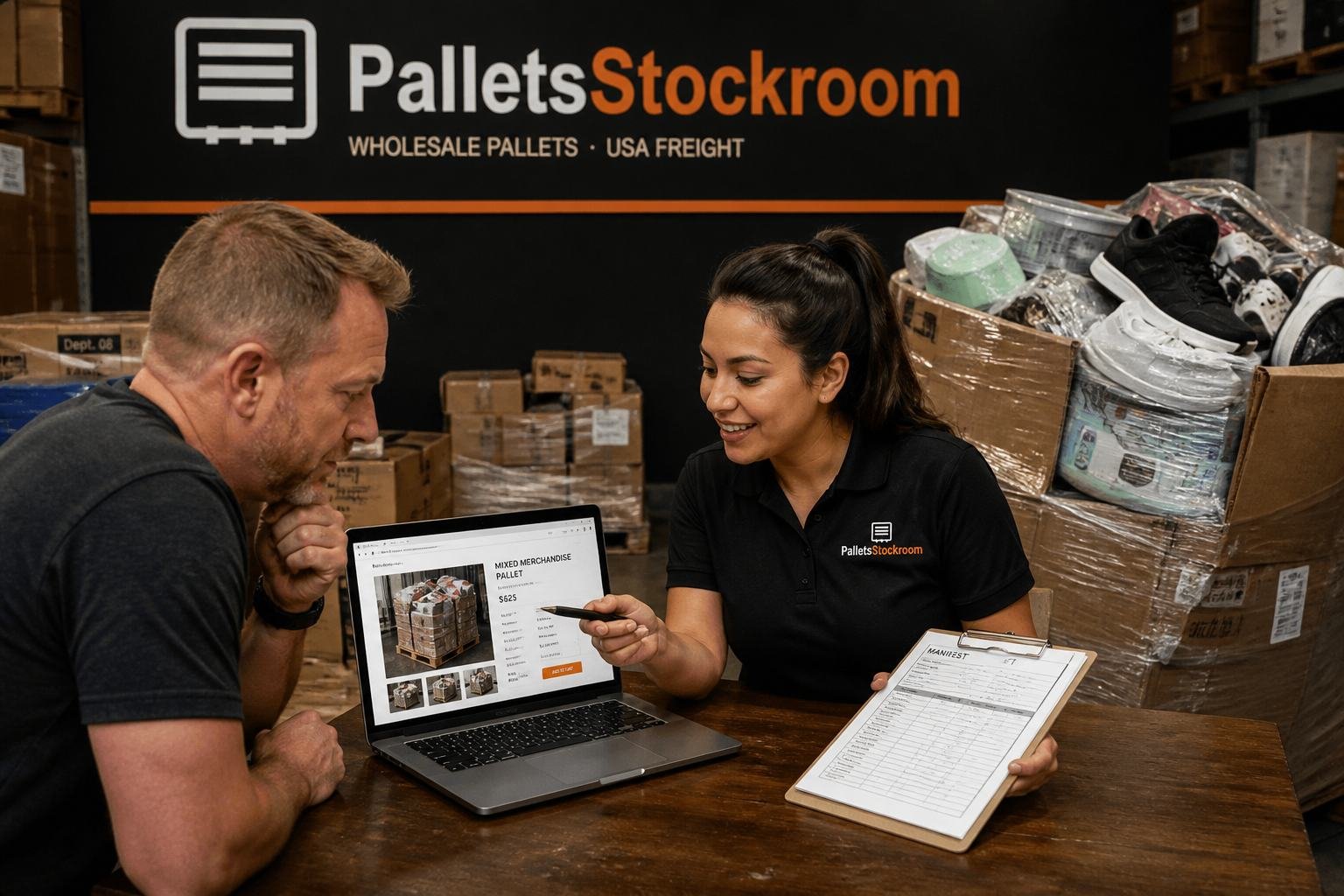
A manifest is a lot list — SKUs, descriptions, sometimes quantities — that came with the pallet from the retailer or the liquidator upstream. It is useful. It is not a retail packing slip for every unit you will resell.
When we include a manifest
If the supplier gave us a lot list, it is on the listing. If they did not, we leave it off. Inventing a piece count to close a sale helps no one when the truck arrives.
How the grade and the manifest work together
The grade describes the lot as a whole. The manifest, when present, describes what the supplier said was on it. Customer-return manifests often include items that came back opened, incomplete, or not as pictured at retail. That is the nature of the channel — not a listing error.
- Use estimated retail as a value signal, not a guarantee of what each unit will sell for.
- Compare two similar photos by grade before you add to cart.
- Ask the desk about a named listing if you need notes we already have.
Then open a category you already know how to sell.
Read the grading guideBuy on PalletsSource + PalletsBay · commercial + transactional
Order wholesale pallets on partner storefronts
Checkout, bulk quotes, and the same-topic guide on each partner domain.
More from the blog
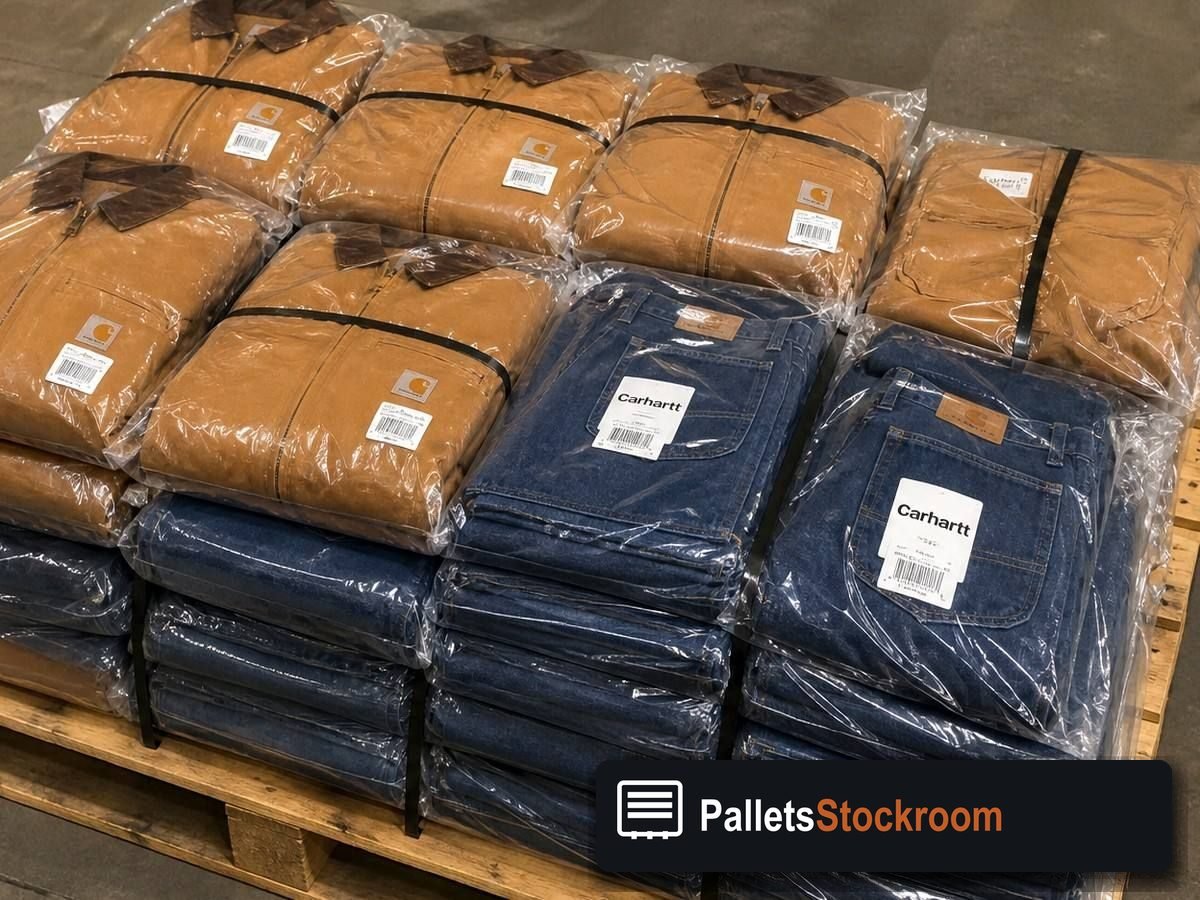
First Clothing Pallet Buyer Checklist: From Gallery to Cart at the Stockroom
Step-by-step checklist for first-time clothing pallet buyers — lot photos, manifest, −15% STOCKROOM15, grading, payment, and pickup or freight.
11 min read
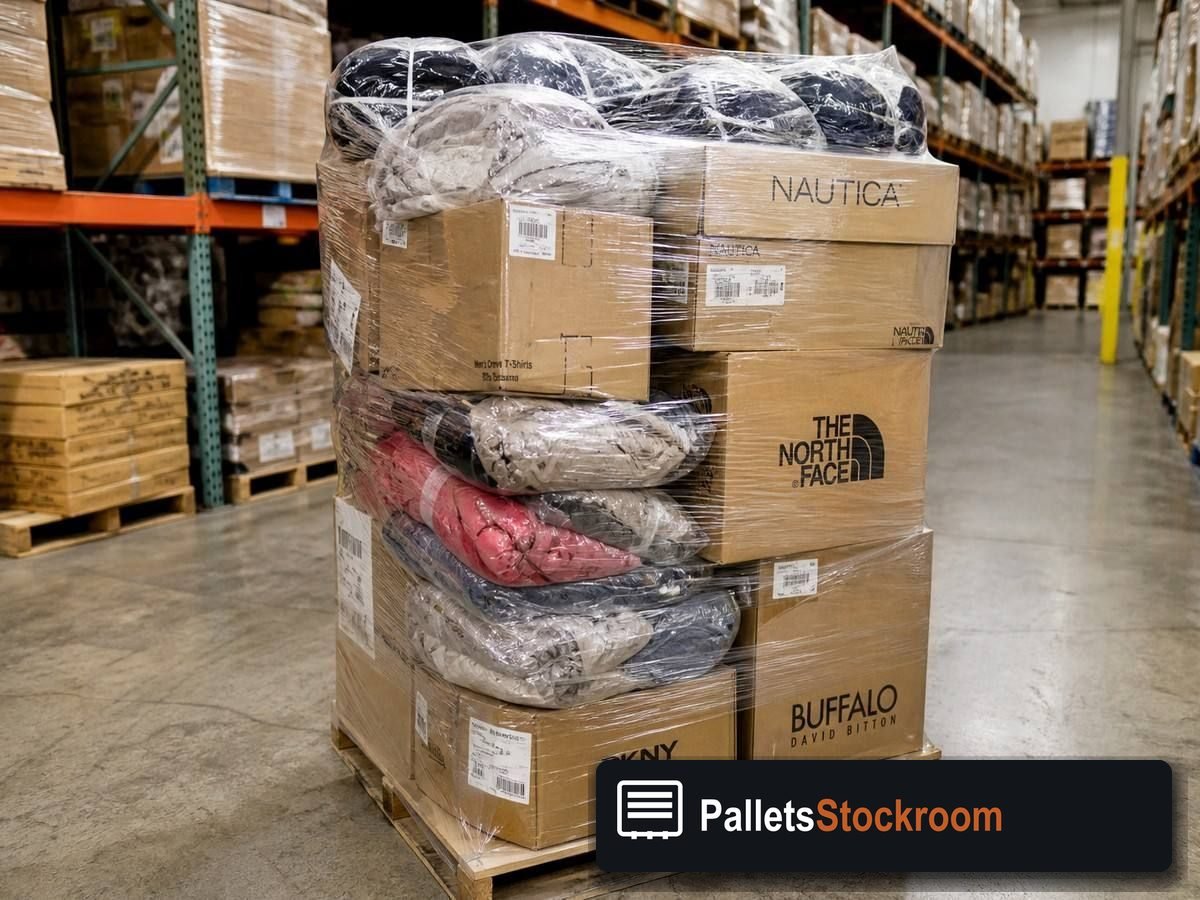
Apparel Returns Pallets: Buying Customer-Return Clothing Lots Honestly
How to buy apparel returns pallets at Pallets Stock Room — Mixed grades, lot manifests, −15% promo, and what product returns really mean for resellers.
11 min read